
Blog
jovesgitanosdegracia
-
Romani heritage in Gràcia: voices, places and community life
Read the full story ↗: Romani heritage in Gràcia: voices, places and community lifeRomani heritage in Gràcia can be explored through meeting places, music and the stories people choose to share. Understanding it means listening to neighbourhood voices, giving each memory its context and recognising the person who…
-
Rromnjako Seripen: food heritage through women’s voices
Read the full story ↗: Rromnjako Seripen: food heritage through women’s voicesA dish can open a conversation about who made it, when it was shared and how it has changed. Rromnjako Seripen approaches Romani food heritage through a gender perspective, recognising the voices of those who…
-
Roma women’s participation: from community voices to public policy
Read the full story ↗: Roma women’s participation: from community voices to public policyTaking part in public policy means being able to influence questions, priorities and decisions. To explore Roma women’s participation, we suggest looking at the space their voices are given and what happens to the contributions…
-
Addressing anti-Roma racism in the classroom: a guide for educators
Read the full story ↗: Addressing anti-Roma racism in the classroom: a guide for educatorsAddressing anti-Roma racism in the classroom means reviewing what we teach, how we respond and the expectations we communicate. This guide offers a starting point for educators: recognising prejudice, responding to specific situations and making…
-
What is the Samudaripen, and why is it remembered on 2 August?
Read the full story ↗: What is the Samudaripen, and why is it remembered on 2 August?The Samudaripen is the genocide of Roma people perpetrated by the Nazi regime and its allies and collaborators. Remembering it means recognising those who were murdered, listening to the people who have defended their memory…
-
What is the Romani language? Language, memory and transmission
Read the full story ↗: What is the Romani language? Language, memory and transmissionRomani is a living language connected to the history and diversity of Roma people. Learning about it is a way to listen, explore and recognise a heritage inseparable from the people who pass it on.…
-
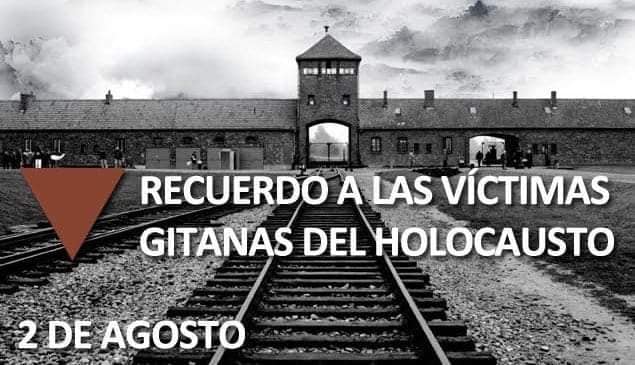
Samudaripen, 2 August
Read the full story ↗: Samudaripen, 2 AugustToday, 2 August 2024, marks the 80th anniversary of the SAMUDARIPEN: the genocide of Roma people in Europe. Ma bister! Do not forget! 1,500,000 victims! ‘The frequently repeated figure of 500,000 Roma deaths during the…
-
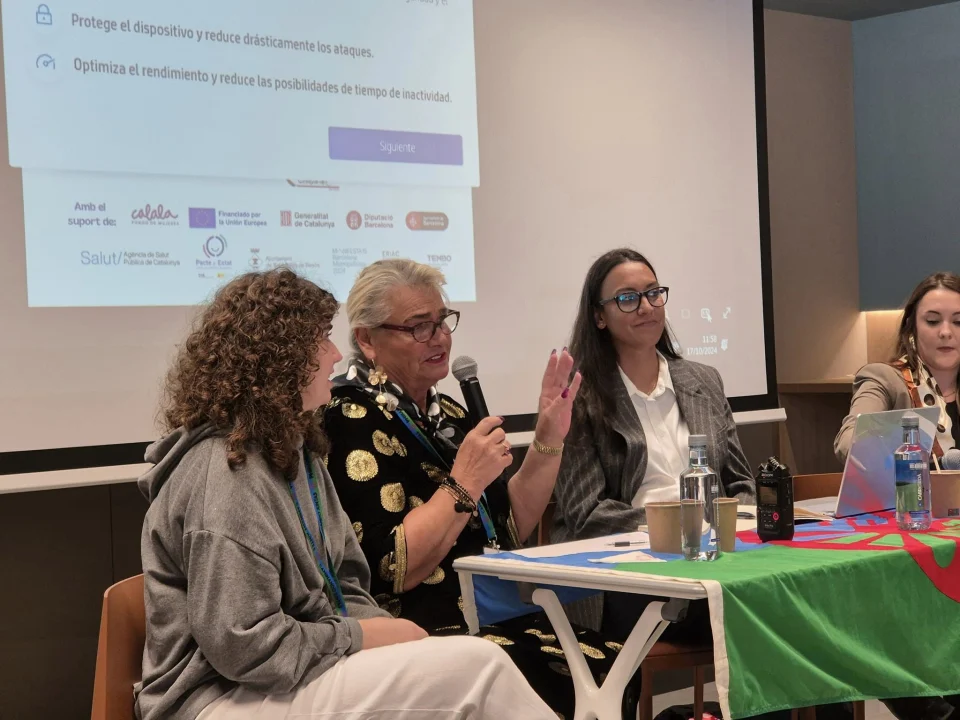
Do not empower me
Read the full story ↗: Do not empower meRacism and anti-Roma hatred kill, threaten lives and directly affect the health of members of our Romani communities. Among the data provided by the FRA, the European Union Agency for Fundamental Rights (FRA) it is…
-
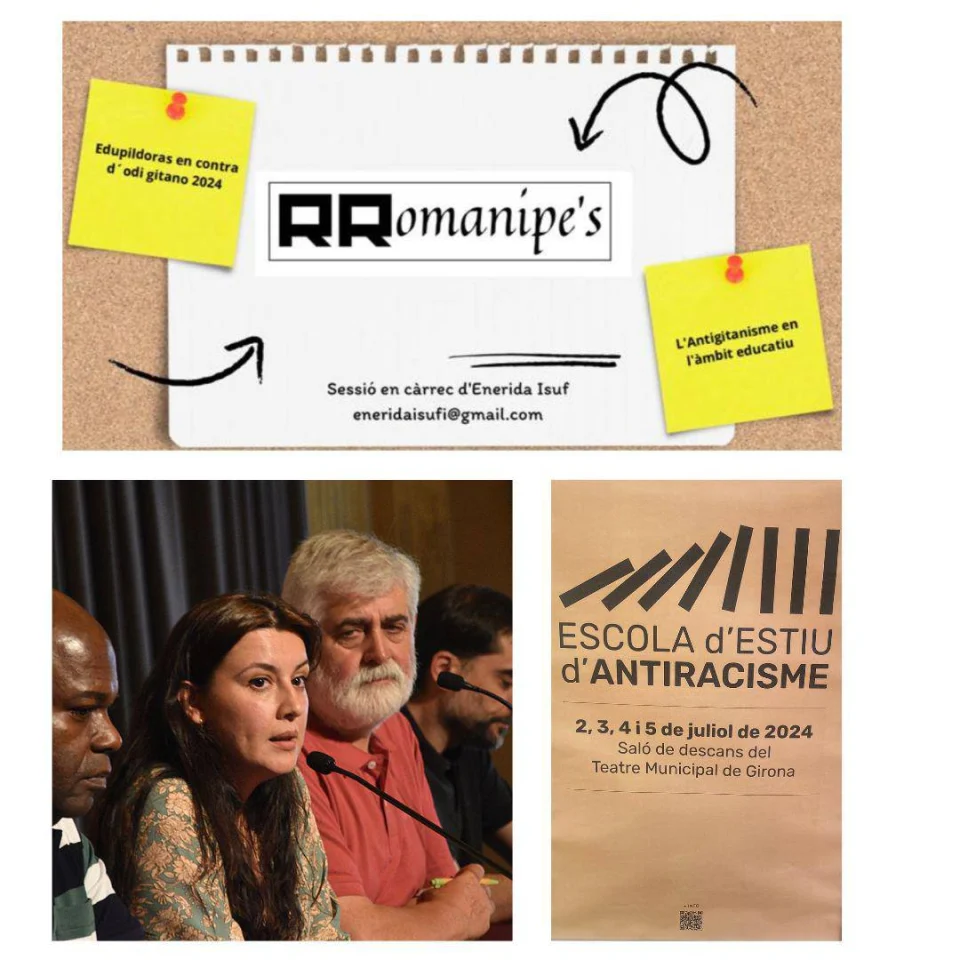
Anti-Roma racism in the classroom
Read the full story ↗: Anti-Roma racism in the classroomThe RROMANIPE´S Association takes part in the Anti-Racism Summer School organised jointly by the Chair of Anti-Racist Analysis and Action, the University of Girona and the SERGI Foundation. The association’s project coordinator, Enerida Isuf, spoke…
-
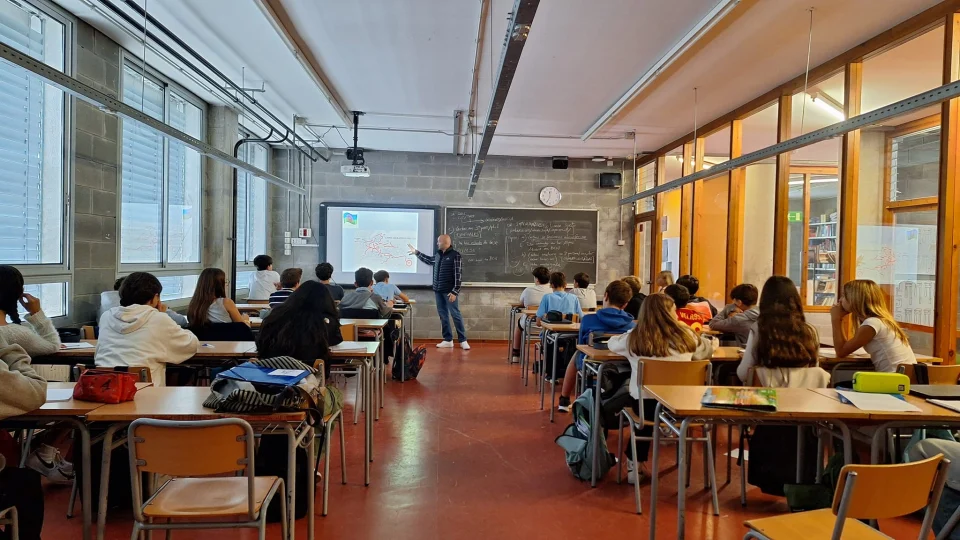
Short training modules to eradicate anti-Roma racism
Read the full story ↗: Short training modules to eradicate anti-Roma racismThe short training module on the persecution, resistance and recognition of Roma people, specifically the SAMUDARIPEN (the mass murder of Roma at Auschwitz), forms part of the Barcelona Anti-Rumours Network’s catalogue of intercultural activities. This…